Callus Treatment in New York City
Calluses are areas of thickened, hardened skin that develop in response to repeated pressure or friction. They most often form beneath the heels, along the sides of the feet, and under the balls of the feet where body weight creates concentrated pressure.
A small callus may simply be a protective response. When the skin becomes excessively thick, however, it can feel tender, burn, crack, or make walking uncomfortable. Dr. Krista Archer provides medical and cosmetic callus treatment at her Upper East Side Manhattan office and at Well Arched in Carroll Gardens, Brooklyn.
What Causes Calluses on the Feet?
Calluses form when the skin repeatedly encounters pressure, rubbing, or shearing. Footwear is a common factor. Tight shoes can compress the toes and sides of the feet, while loose shoes may allow the foot to slide and rub. High heels shift more weight toward the forefoot and can contribute to calluses beneath the metatarsal bones.
Walking barefoot, standing for long periods, participating in high-impact activities, and wearing shoes without socks may also increase friction. Calluses can also develop because of the way a person’s foot is shaped or how it moves during walking.
Bunions, hammertoes, prominent metatarsal bones, arthritis, fat-pad loss, and other structural conditions can create pressure points that repeatedly stimulate the skin to thicken.
Calluses Versus Corns
Calluses are generally broad, flatter areas of thickened skin that form over weight-bearing surfaces. Corns tend to be smaller and more concentrated, often with a firm central core. They commonly develop over a toe joint or between toes where shoes and adjacent toes create pressure.
Both conditions result from friction or pressure, and both can become painful. Identifying whether a lesion is a callus, corn, wart, or another skin condition helps determine the safest treatment.
When Should a Callus Be Evaluated?
A callus should be professionally evaluated when it becomes painful, repeatedly returns, cracks, bleeds, changes color, or affects the way you walk. Redness, warmth, drainage, swelling, or increasing tenderness may indicate inflammation, a wound, or an infection beneath the thickened skin.
Sometimes what appears to be a simple callus is covering another problem. A wound can develop beneath the hardened skin, especially in patients with reduced sensation or abnormal pressure on the foot. Plantar warts and other skin lesions may also resemble calluses.
Patients with diabetes, neuropathy, impaired circulation, a weakened immune system, or a history of foot ulcers should seek professional care rather than attempting to remove a callus at home.
How Dr. Krista Archer Evaluates Calluses
Dr. Archer examines the skin and determines whether the thickened area is a callus or another type of lesion. She also considers its location, depth, tenderness, and relationship to the bones and joints beneath it.
Because recurring calluses often reveal how pressure is moving through the foot, the evaluation may include an assessment of foot structure, gait, footwear, and range of motion. Weight-bearing X-rays may be recommended if a prominent bone, joint deformity, arthritis, or another structural condition is suspected.
This approach allows treatment to address both the visible callus and the reason it continues to form.
In-Office Callus Removal
For thick or painful calluses, Dr. Archer can carefully reduce the hardened skin through medical debridement. This in-office treatment removes excess tissue without cutting into healthy skin and can relieve pressure beneath the affected area.
Many patients notice that the foot feels smoother and more comfortable after treatment. However, removing the callus does not permanently eliminate the pressure that created it. Without changes to footwear, cushioning, or foot mechanics, the skin may gradually thicken again.
The frequency of professional care depends on the cause of the callus, how quickly it returns, and the patient’s overall foot health.
Reducing Pressure and Preventing Recurrence
Long-term callus management focuses on reducing pressure and friction. Treatment may include footwear recommendations, protective padding, custom orthotics, or adjustments to activity.
Custom orthotics may help redistribute weight away from a painful area and improve how the foot functions inside the shoe. Dr. Archer may also recommend a prescription-strength moisturizing or keratolytic product to soften thickened skin and support a smoother texture.
When a bunion, hammertoe, prominent bone, or another structural problem is causing persistent pain and recurring calluses, surgical correction may be discussed. Surgery is generally reserved for cases in which the underlying deformity causes significant symptoms and conservative care has not provided adequate relief.
Safe At-Home Callus Care
Patients with healthy circulation and normal sensation may be able to maintain mild calluses with regular moisturizing and gentle use of a pumice stone, if recommended by Dr. Archer. The goal is gradual smoothing rather than complete or aggressive removal.
Calluses should never be cut with a razor, blade, nail tool, or other sharp object at home. Medicated callus removers containing acids can damage surrounding skin and are not appropriate for everyone.
Patients with diabetes, neuropathy, poor circulation, fragile skin, or a history of foot wounds should not use pumice stones, sharp instruments, or chemical callus removers without medical guidance.
Medical Pedicures and Cosmetic Callus Care
For patients seeking routine maintenance alongside medical oversight, a medical pedicure may help manage dry, rough, or callused skin while supporting the overall health and appearance of the feet. At Well Arched, medical nail and foot-care services are performed with careful attention to hygiene, skin condition, and patient safety under the guidance of Dr. Archer.
Medical pedicures can complement a callus treatment plan, but they do not replace evaluation when a callus is painful, deeply cracked, infected, or caused by an underlying structural problem.
Maintaining Smooth Skin With the ARCH Regimen
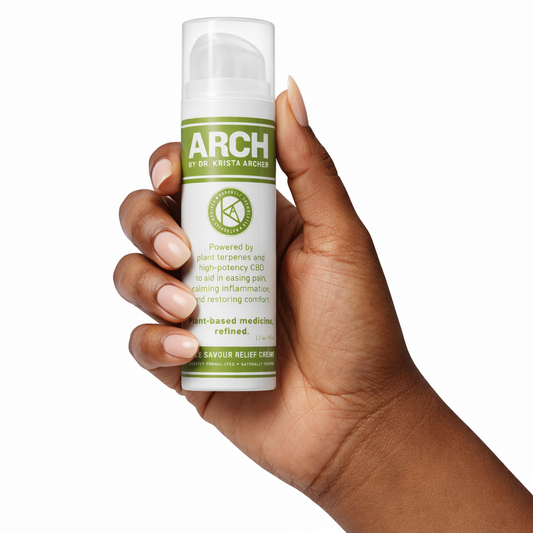
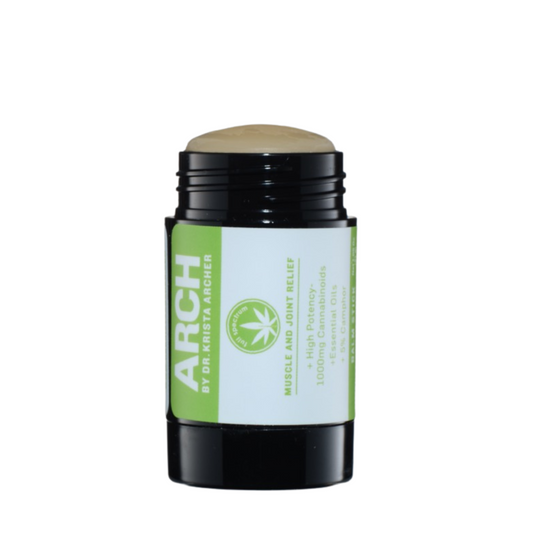
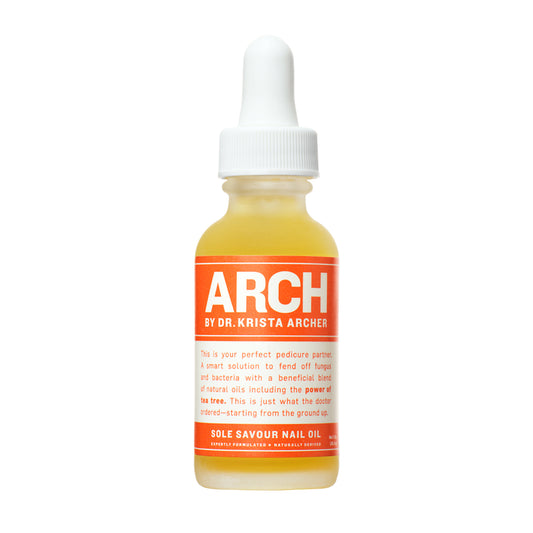
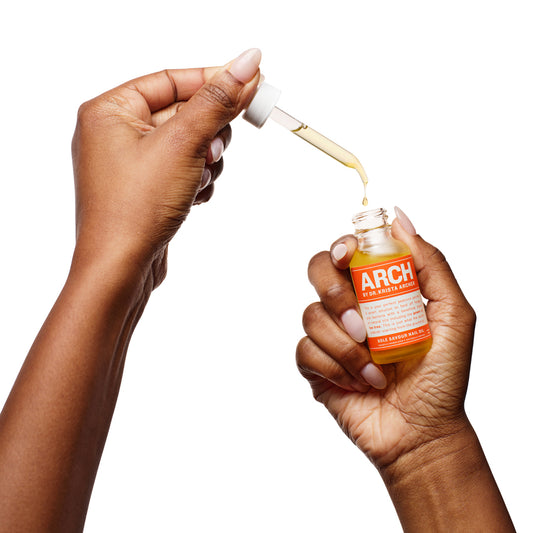
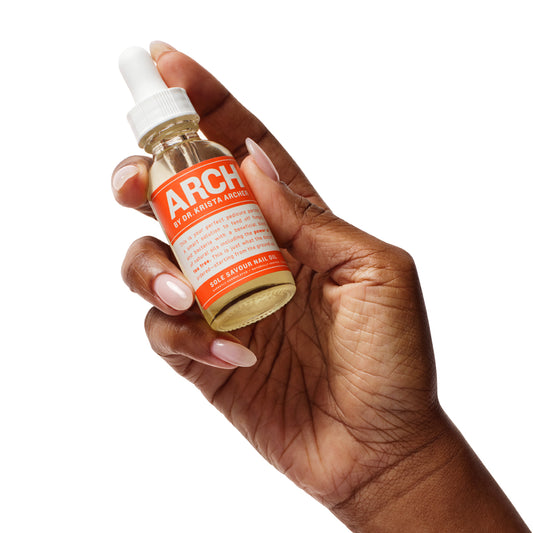
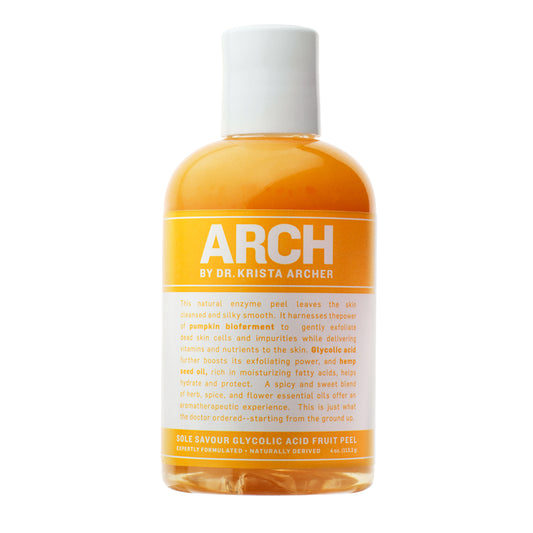
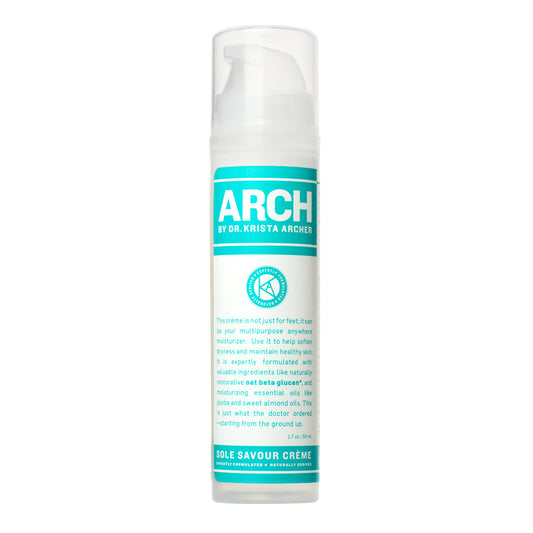
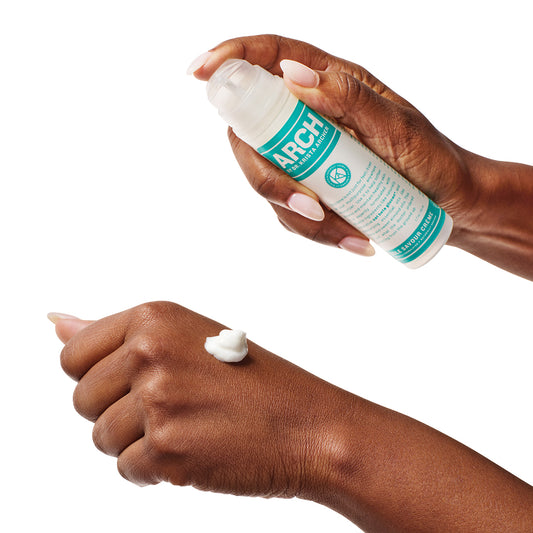
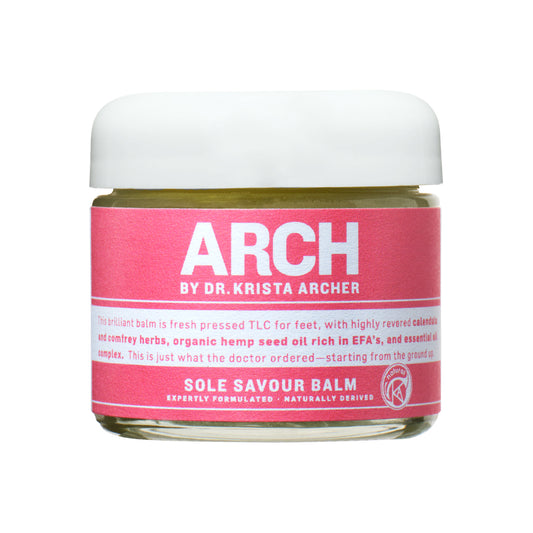
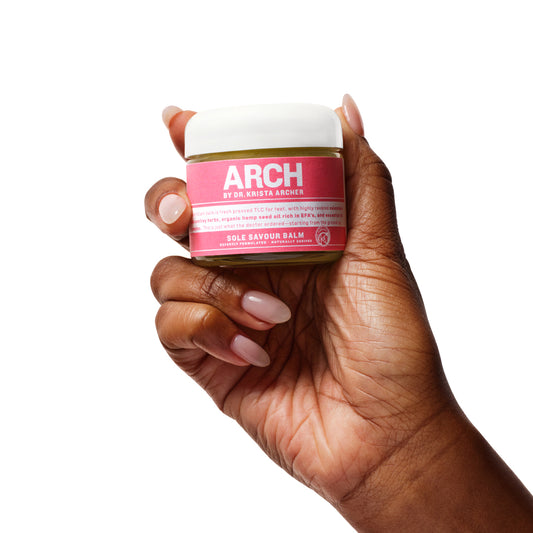
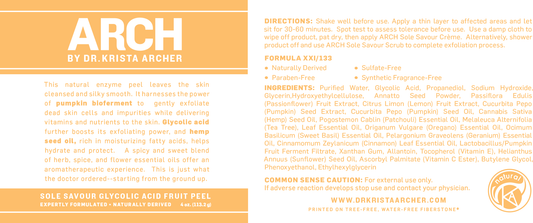
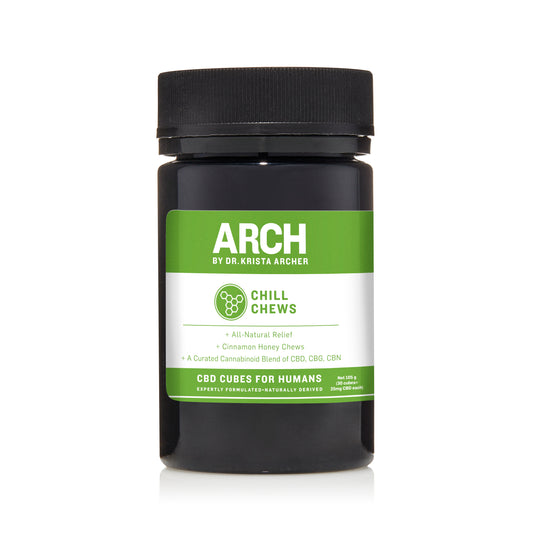
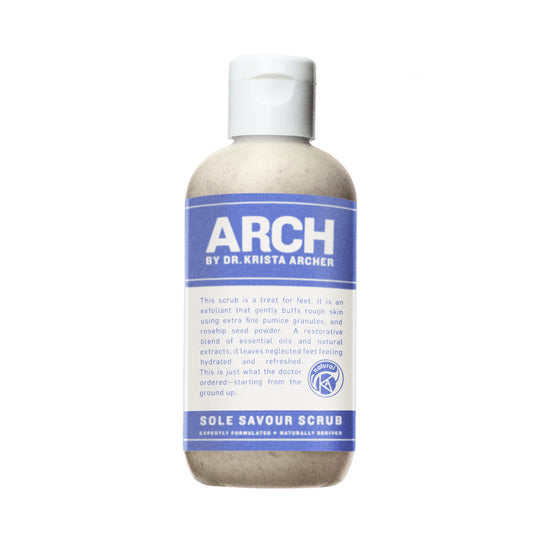
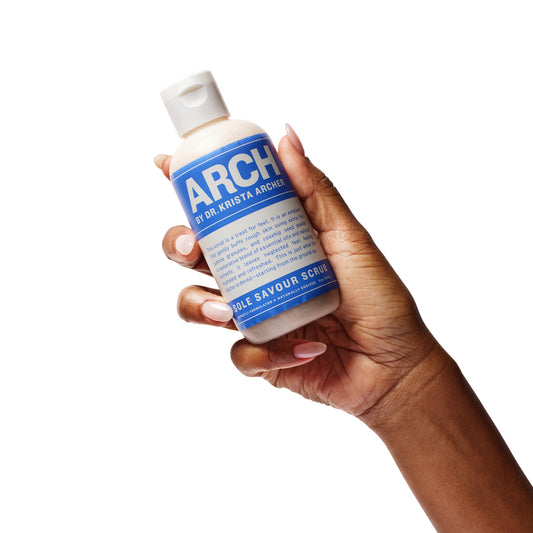
After professional treatment, Dr. Archer may recommend a personalized routine using products from the ARCH collection. Consistent moisturizing and exfoliation can help maintain smoother skin between visits.
Product selection should reflect the condition of the skin and the patient’s medical needs. More aggressive exfoliation is not always better, particularly when the skin is cracked, inflamed, or vulnerable.
Why Choose Dr. Krista Archer for Callus Treatment?
As a podiatric surgeon and cosmetic foot-care expert, Dr. Archer considers comfort, function, and appearance when treating calluses. Her approach combines careful removal of thickened skin with an evaluation of the pressure, footwear, or structural issue contributing to its development.
The goal is to provide immediate relief when possible while creating a practical plan to keep painful calluses from repeatedly interfering with walking and daily life.
Callus Treatment in Manhattan and Brooklyn
Dr. Archer offers callus evaluation and treatment at her Upper East Side Manhattan practice and at Well Arched, located at 554 Court Street in Carroll Gardens, Brooklyn.
If a callus is painful, cracked, recurring, or affecting how you walk, book an appointment with Dr. Krista Archer at the Manhattan or Brooklyn location most convenient for you.
Frequently Asked Questions About Foot Calluses
Is it safe to cut a callus off at home?
No. Cutting a callus with a razor, blade, or nail tool can remove healthy tissue, cause bleeding, and introduce infection. Professional debridement is a safer option for thick or painful calluses.
Why does my callus keep coming back?
A callus typically returns when pressure or friction continues in the same area. Foot structure, gait, footwear, and activity may all contribute. Lasting management usually requires addressing the source of that pressure.
Can a podiatrist permanently remove a callus?
The thickened skin can be safely reduced, but it may form again if the underlying pressure remains. Orthotics, padding, shoe changes, skin care, or treatment of a structural condition may help reduce recurrence.
Is a callus the same as a plantar wart?
No. A callus is caused by pressure and friction, while a plantar wart is caused by a viral infection. Because both can appear as thickened skin on the sole, an examination may be needed to distinguish between them.
Can a medical pedicure remove calluses?
A medical pedicure may help manage mild or routine callus buildup. Painful, deeply cracked, bleeding, or recurrent calluses should first be evaluated to rule out a wound, infection, or structural cause.
When is a callus dangerous for someone with diabetes?
Any callus can conceal excess pressure or a wound in a person with diabetes, particularly when neuropathy or poor circulation is present. Patients with diabetes should avoid self-removal and have new, changing, or recurring calluses professionally assessed.

 Sold out