Nail Fungus Treatment in New York City
Toenail fungus, medically known as onychomycosis, is an infection that can cause a nail to become discolored, thickened, brittle, misshapen, or separated from the nail bed. Although many patients initially view fungal nails as a cosmetic concern, the condition can also cause pressure in shoes, discomfort, difficulty trimming the nails, and embarrassment about exposing the feet.
Dr. Krista Archer provides personalized diagnosis and treatment for fungal toenails at her Upper East Side Manhattan practice and at Well Arched in Carroll Gardens, Brooklyn. Treatment may incorporate prescription antifungal medication, professional nail care, laser therapy, and a prevention plan based on the extent and cause of the infection.
What Causes Toenail Fungus?
Onychomycosis can be caused by dermatophytes, yeasts, or molds. These organisms can enter through small separations between the nail and surrounding skin and then grow within or beneath the nail plate.
The infection becomes more common with age, partly because nails grow more slowly and may have accumulated years of minor trauma and exposure. Athlete’s foot can also spread from the skin to the toenails.
Other risk factors include diabetes, reduced circulation, immune suppression, nail injuries, excessive perspiration, tight or poorly ventilated footwear, and repeated exposure in locker rooms, communal showers, pools, and similar environments.
Signs of a Fungal Toenail
A fungal toenail may develop white, yellow, brown, or cloudy discoloration. The nail can become thicker, crumbly, brittle, rough, or distorted. Debris may collect beneath the nail, and the nail plate may begin to lift from the nail bed.
Some fungal nails are painless, while others create pressure or tenderness inside shoes. As the nail becomes thicker, it may be increasingly difficult to trim safely.
The infection may affect one nail or spread to several. Athlete’s foot may be present at the same time, causing itching, peeling, scaling, or cracking between the toes or along the soles.
Not Every Abnormal Nail Is Fungal
Trauma, psoriasis, eczema, repetitive shoe pressure, age-related changes, and other medical conditions can make toenails look thick, discolored, or damaged. Treating every abnormal nail as fungus can lead to months of unnecessary medication without addressing the actual cause.
Dr. Archer examines the nail, surrounding skin, and pattern of changes before recommending treatment. Nail clippings, scrapings, or laboratory testing may be used to confirm fungal organisms, particularly before oral medication or when the diagnosis is uncertain.
Accurate diagnosis is the first step toward selecting an appropriate treatment plan.
Why Nail Fungus Takes Time to Treat
Antifungal treatment does not instantly replace the damaged portion of a nail. Even after fungal activity has been reduced, the discolored or thickened nail must gradually grow forward and be trimmed away.
Toenails grow slowly, and a big toenail may take approximately a year or longer to grow out fully. Age, circulation, health, trauma, and the severity of the infection can affect this timeline.
Visible improvement usually begins near the base of the nail as clearer growth emerges. Consistency with treatment and prevention is important because stopping too early may allow the infection to persist.
Dr. Krista Archer’s Approach to Nail Fungus
Dr. Archer considers how many nails are affected, how much of each nail is involved, whether the nail root appears affected, and whether athlete’s foot is also present. She also reviews previous treatment, medications, allergies, liver health, circulation, and other medical factors.
A mild or limited infection may be treated differently from an advanced infection involving several thickened nails. Some patients may benefit from one therapy, while others require a combination approach.
The goals are to control the infection, support healthy new growth, reduce nail thickness and discomfort, and limit reinfection.
Prescription Topical Antifungal Treatment
Topical antifungal medication may be appropriate for mild to moderate infection or for patients who prefer to avoid oral treatment. The medication must be applied consistently for an extended period because it needs to reach fungal organisms within and beneath the nail.
Dr. Archer may prescribe an FDA-approved topical medication, such as Jublia (efinaconazole topical solution, 10%), or another formulation based on the patient’s diagnosis and treatment history.
Jublia is applied to affected toenails once daily for 48 weeks according to its prescribing information. The nail, nail folds, tissue beneath the free edge, and other specified areas must be covered as directed.
Topical treatments can cause local reactions such as irritation, redness, itching, or discomfort. Results vary, and daily adherence is essential.
Oral Antifungal Medication
Oral antifungal medication may be considered when infection is extensive, involves several nails, or has not responded to topical treatment. Oral therapy generally reaches the nail through the bloodstream and may be more effective for selected patients.
These medications are not appropriate for everyone. Dr. Archer reviews current prescriptions, possible interactions, medical history, and liver health before recommending treatment. Laboratory testing may be required depending on the medication and individual risk factors.
Even when oral treatment is successful, the nail still needs time to grow out before its appearance improves.
CoolBreeze Laser Treatment for Fungal Nails
Dr. Archer may incorporate the CoolTouch CT3 Plus CoolBreeze laser into a personalized fungal nail treatment plan. The device delivers controlled laser energy to the nail and surrounding treatment area.
Laser therapy is designed to treat the nail without removing it, and most patients can resume routine daily activities after a session. Sensation varies, and patients may experience warmth or discomfort during treatment.
The number of sessions depends on the severity of nail involvement, response to treatment, and whether laser therapy is combined with topical medication or professional nail care.
Laser treatment should not be presented as a guaranteed cure. FDA clearance for some nail-laser devices is limited to a temporary increase in clear nail rather than eradication of the infection. Outcomes vary, and healthy-looking improvement still depends on slow new nail growth.
Professional Nail Debridement
When a fungal nail becomes thick or difficult to trim, Dr. Archer may reduce its thickness through professional debridement. This can relieve pressure inside shoes, make the nail easier to manage, and help certain topical treatments reach the nail more effectively.
Debridement improves the thickness and appearance of the existing nail but does not eliminate the fungal infection by itself. It is often used as a supportive part of a broader treatment plan.
Patients with diabetes, neuropathy, poor circulation, or very thick nails should avoid aggressive self-trimming and seek professional care.
Medical Pedicures During Nail Fungus Treatment
At Well Arched, medical pedicures offer doctor-guided care for nails and skin requiring greater attention than a conventional salon service. Thickened nails can be carefully reduced and surrounding skin can be maintained using appropriate sanitation and sterilization protocols.
A medical pedicure may improve comfort and appearance during treatment, but it does not replace prescription antifungal therapy when an active infection is present.
Dr. Archer can determine whether polish or other nail products should be avoided during a particular treatment. Recommendations may differ based on the medication, laser protocol, nail condition, and need to monitor new growth.
Preventing Toenail Fungus From Returning
Toenail fungus can recur even after successful treatment. Prevention involves addressing the environment around the nail as well as the nail itself.
Feet should be washed and dried carefully, particularly between the toes. Damp socks should be changed promptly, shoes should be allowed to dry between uses, and protective footwear should be worn in communal wet areas.
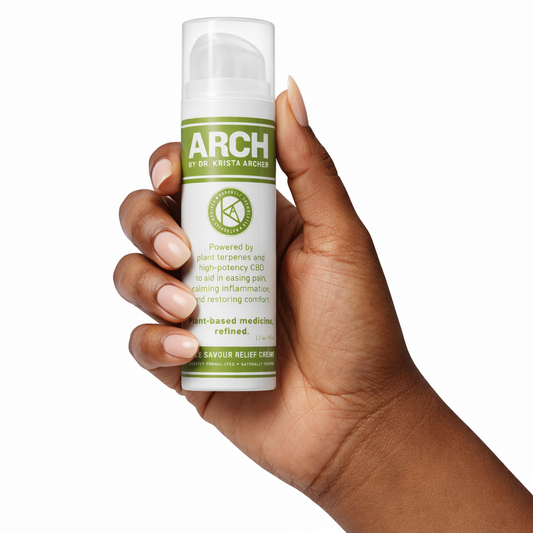
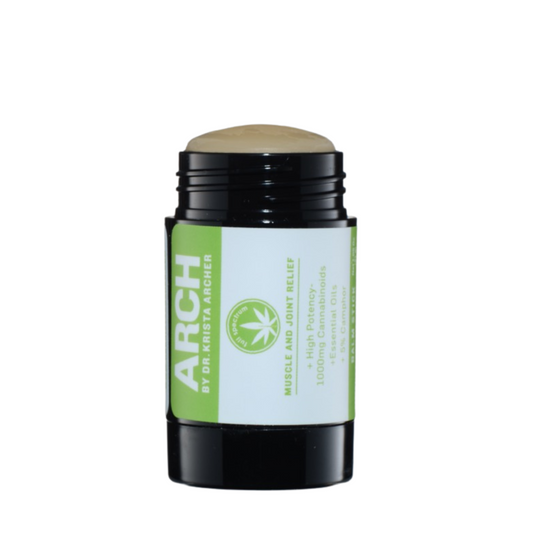
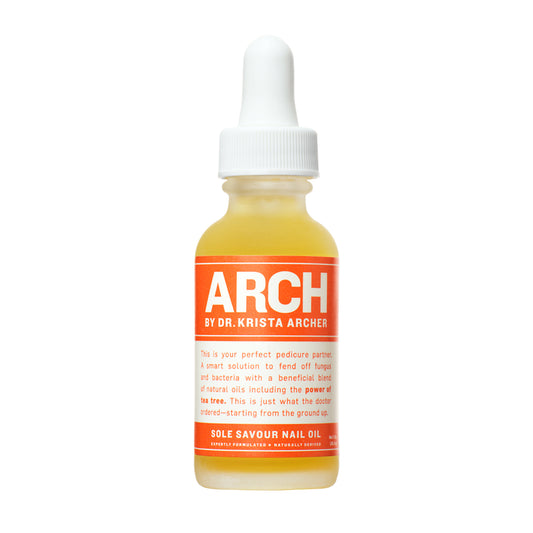
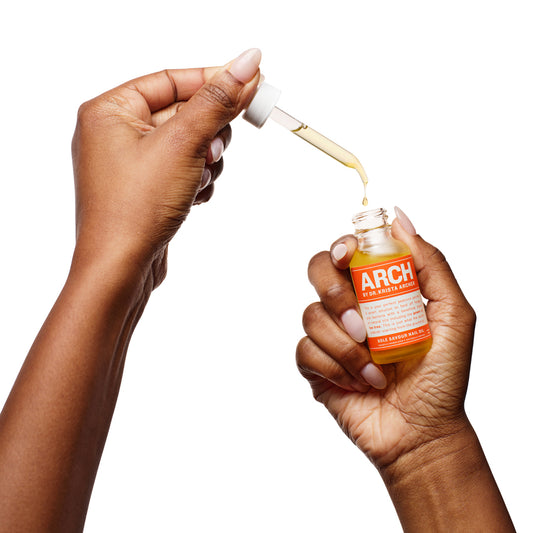
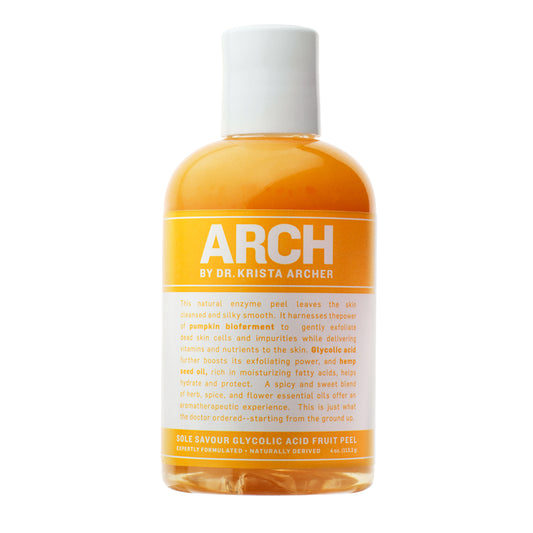
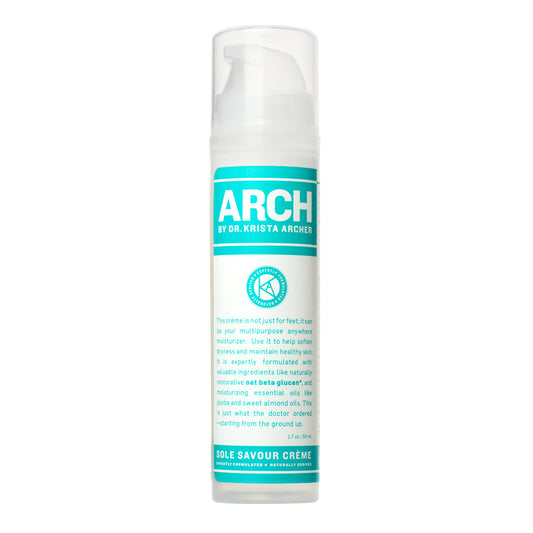
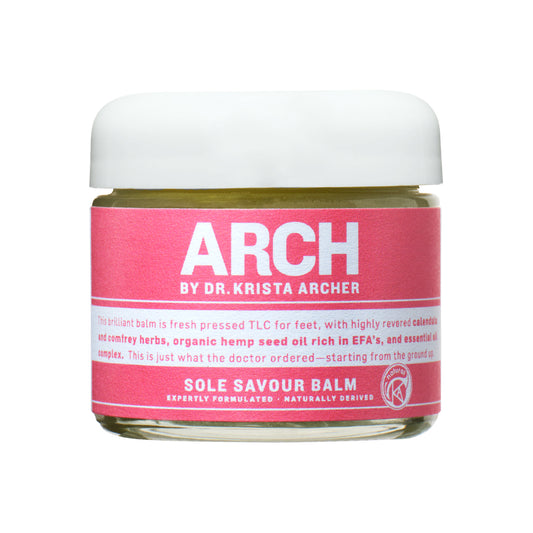
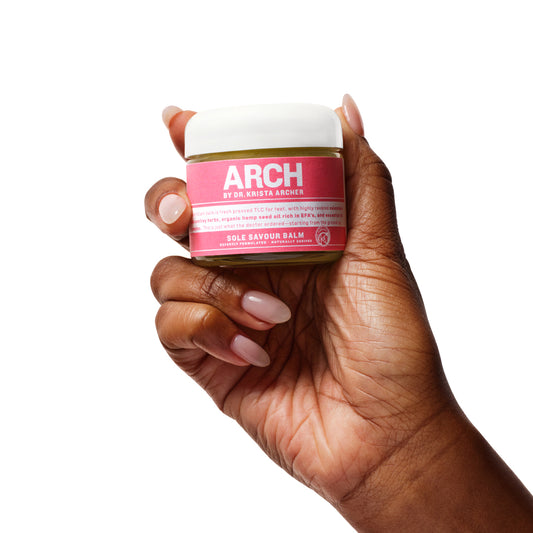
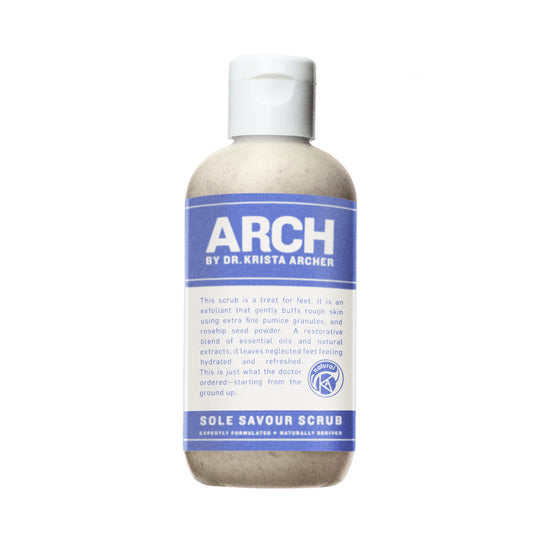
Athlete’s foot should be treated because infected skin can repeatedly expose the toenails to fungus. Dr. Archer may also recommend shoe sanitation, antifungal powder or spray, and a personalized maintenance routine using products from the ARCH collection.
When Should Nail Fungus Be Treated?
Treatment may be appropriate when a nail is becoming thicker, spreading to other nails, causing discomfort, or becoming increasingly difficult to trim. Patients may also seek care because the appearance of the nails affects confidence or footwear choices.
Prompt evaluation is especially important for patients with diabetes, impaired circulation, neuropathy, immune suppression, or a history of foot wounds. Thick or damaged nails can create pressure and make injuries more difficult to detect.
Redness, swelling, drainage, or rapidly increasing pain around the nail may indicate a bacterial infection or another condition requiring timely care.
Why Choose Dr. Krista Archer for Nail Fungus Treatment?
Dr. Archer combines medical diagnosis with close attention to nail appearance and long-term maintenance. Rather than relying on one treatment for every fungal nail, she evaluates the organism, extent of involvement, nail thickness, skin condition, medical history, and risk of recurrence.
Her approach may combine prescription medication, laser therapy, debridement, medical pedicures, and preventive foot care to support healthier nail growth over time.
Nail Fungus Treatment in Manhattan and Brooklyn
Dr. Archer evaluates and treats fungal toenails at her Upper East Side Manhattan practice and at Well Arched, located at 554 Court Street in Carroll Gardens, Brooklyn.
If your toenails are becoming discolored, thickened, brittle, or difficult to manage, book an appointment with Dr. Krista Archer at the Manhattan or Brooklyn location most convenient for you.
Frequently Asked Questions About Nail Fungus
How can I tell whether my toenail has fungus?
Discoloration, thickening, brittleness, and debris beneath the nail may suggest fungus, but other nail conditions can look similar. An examination and, when appropriate, laboratory testing can confirm the diagnosis.
Can toenail fungus go away on its own?
Toenail fungus usually persists without treatment and may gradually spread. Even with effective treatment, visible improvement takes time because the damaged nail must grow out.
How long does fungal toenail treatment take?
Treatment length depends on the medication and severity of infection. Jublia is prescribed once daily for 48 weeks. Other topical or oral regimens have different schedules. Complete cosmetic improvement may take a year or longer as the toenail grows.
Does laser treatment cure toenail fungus?
Laser treatment does not guarantee eradication of the infection. Some devices are cleared only for a temporary increase in clear nail. Dr. Archer may use laser therapy as one component of a broader treatment plan.
Can I wear toenail polish during treatment?
That depends on the treatment and condition of the nail. Polish may interfere with application of certain medications or make it harder to monitor nail growth. Dr. Archer provides individualized instructions.
Is oral antifungal medication safe?
Oral antifungal medication can be appropriate and effective for selected patients, but it may interact with other medications and may not be suitable for people with certain medical conditions. Dr. Archer reviews risks and monitoring requirements before prescribing it.
Can a medical pedicure cure nail fungus?
No. A medical pedicure can reduce thickened nail, improve comfort, and support hygiene, but active fungal infection generally requires antifungal treatment. Medical pedicures can complement the treatment plan.
Why did my nail fungus return?
Recurrence may result from untreated athlete’s foot, moisture inside shoes, repeated exposure, contaminated footwear, incomplete treatment, slow nail growth, or individual susceptibility. Ongoing prevention is an important part of care.

 Sold out